
Ray Kroc’s Real-Estate Insight
Rich Dad Poor DadThis subplot uses Ray Kroc’s account to illustrate how a familiar profession can conceal a deeper business built around ownership.
increasing Bearing strength in each event
 decreasing
Bearing strength in each eventdecreasingThe Classroom Question
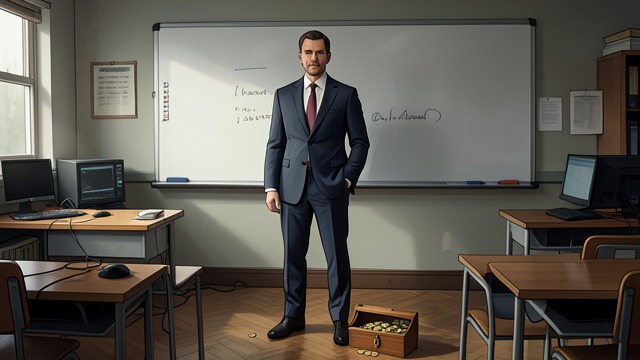
A Provocative Question
A Familiar Answer
Ray Kroc asks a group of business students what business he is in. They answer that he is in hamburgers, treating the visible product as the whole enterprise.
A Reframing
Kroc rejects that answer and identifies real estate as the deeper business. The exchange creates a compact example of looking past a company’s public identity toward the assets behind it.
The Franchise Location
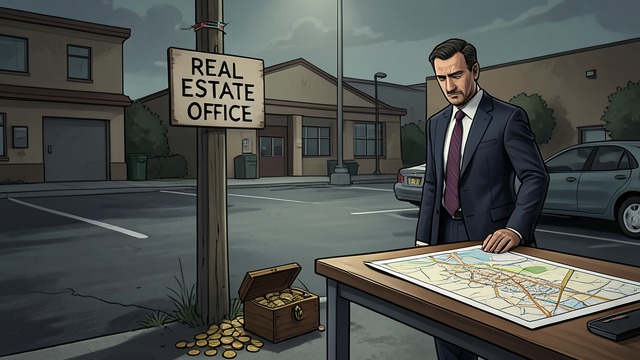
Land Beneath the Brand
A Strategic Focus
Kroc’s account places franchise locations at the center of the business model. The franchise sells food, but land and location shape the enduring value of the operation.
Seeing the Underlying Asset
The story teaches readers to ask what a business owns and what its revenue depends on. Its point is not simply to imitate a famous company, but to examine the structure beneath its familiar surface.
A Lesson Carried Forward
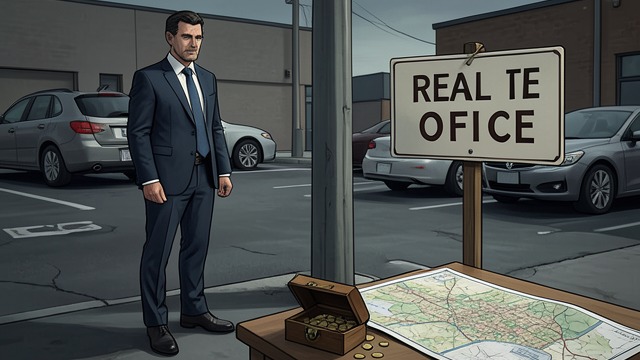
A Changed Definition
Keith’s Recognition
Keith Cunningham remembers the exchange as a consequential lesson. It changes the way he understands the difference between a business’s daily activity and the assets that support it.
A Transferable Principle
The book uses the anecdote to encourage readers to look for ownership underneath occupational labels. A person may work in one field while building a separate asset base.
The Reader’s Comparison
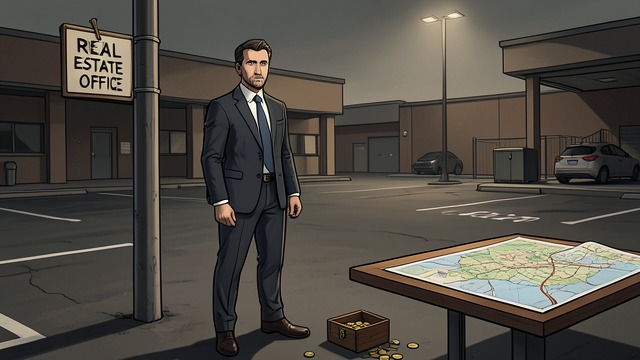
Profession and Business
Two Different Questions
The anecdote introduces the distinction between what a person does for a living and what that person owns. Calling oneself a banker, mechanic, or cook may describe a profession without describing a business.
A New Focus
The book directs attention toward income-producing assets rather than wages alone. Kroc’s example gives that distinction a memorable commercial form.
Ownership as Strategy
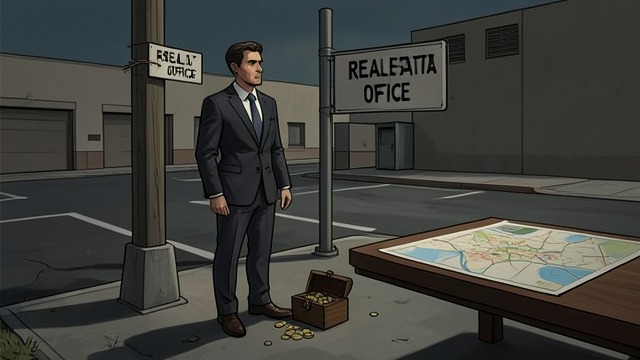
Building Beyond the Job
A Long Horizon
Readers are urged to keep a job if needed while gradually strengthening their asset columns. Kroc’s story illustrates why a business can be more than its customer-facing product.
Principle Restated
The subplot resolves as a way of seeing: look beneath the role, product, or paycheck to the underlying source of value. That habit supports the book’s wider case for financial literacy.
1974, at the University of Texas at Austin
During Ray Kroc’s explanation to the students
After the classroom discussion
At the start of the mind-your-own-business lesson
Near the chapter’s conclusion
